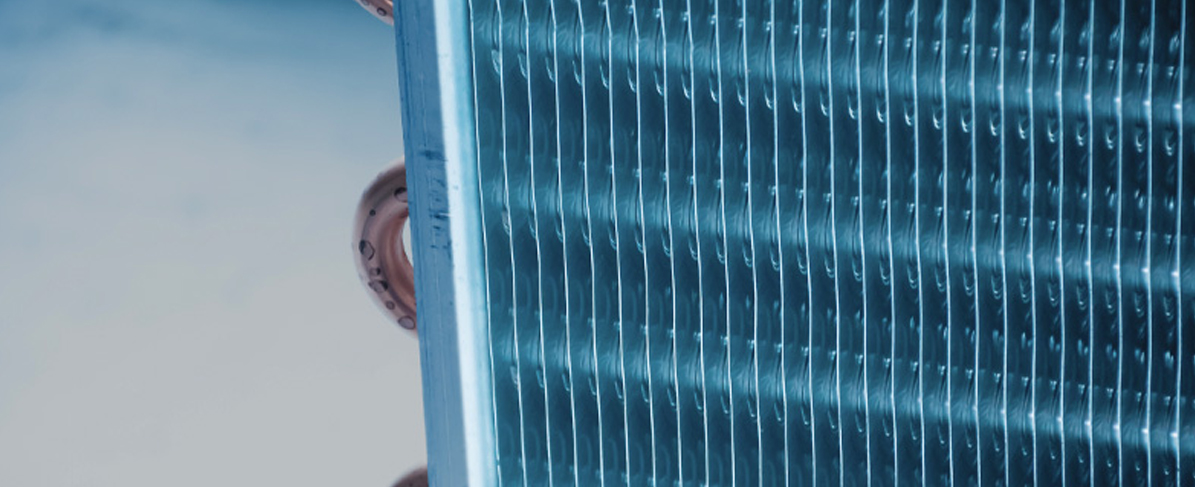
In HVAC systems, the chilled water coil plays a crucial role in maintaining efficient and reliable operation. Over time, however, these coils may exhibit signs of wear and tear, necessitating replacement for optimal performance. In this article, we explore the criteria that qualify an evaporator coil for replacement and provide insight into the design and construction aspects of the chilled water coil replacement process.
Here are items to look for in your HVAC system that may indicate a chilled water coil is ready for replacement.
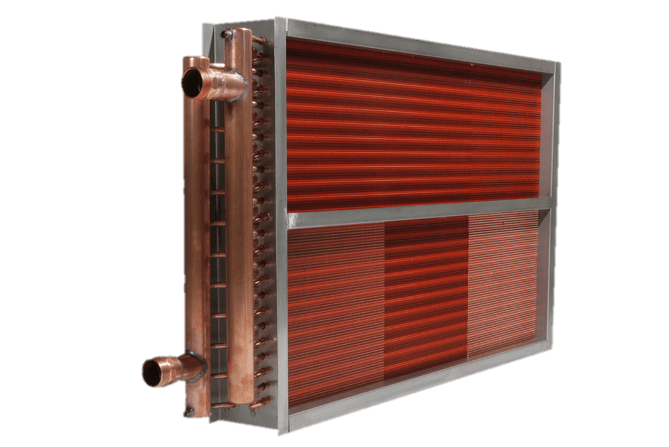
Once it has been decided that a chilled water coil will be replaced, be sure to follow these best practices next.
Conduct a thorough assessment of the existing HVAC system, considering factors such as system capacity, plumbing and compatibility with newer coil models.
Ensure that the chilled water coil replacement is compatible with the existing system design, including elements like size, shape and material specifications.
Adhere to ASHRAE guidelines for HVAC system design and construction, incorporating industry best practices for energy efficiency and environmental sustainability.
Opt for high-quality materials that resist corrosion, enhance durability and promote a longer lifespan of the replacement coil.
During the coil installation, make sure to follow proper brazing techniques, line charging and pressure testing to guarantee the integrity of the new evaporator coil.
Conduct comprehensive performance testing post-installation to ensure the replacement coil meets or exceeds the system’s operational requirements.
By adhering to these best practices, replacing a chilled water coil leads to a more efficient and reliable HVAC system, which contributes to greater energy efficiency and utility cost savings. Contact WTI Pure Air for more information as we can assist facility management teams with coil replacements in air handler units that cannot be cleaned or restored.