In commercial and institutional facilities, the seamless operation of HVAC systems is pivotal for maintaining a comfortable and productive environment. However, obstructed HVAC coils are a recurring issue that can quickly deplete system efficiency. In this article, we delve into the consequences of clogged HVAC coils and recommendations to remediate this issue.
Within the complex web of HVAC components, the coils play a critical role in facilitating efficient heat exchange. When these coils become inundated by debris or contaminants over time, the repercussions can permeate throughout the entire system. Reduced heat exchange leads to higher energy consumption, increased utility costs and overall compromised HVAC performance.
1. Routine Maintenance
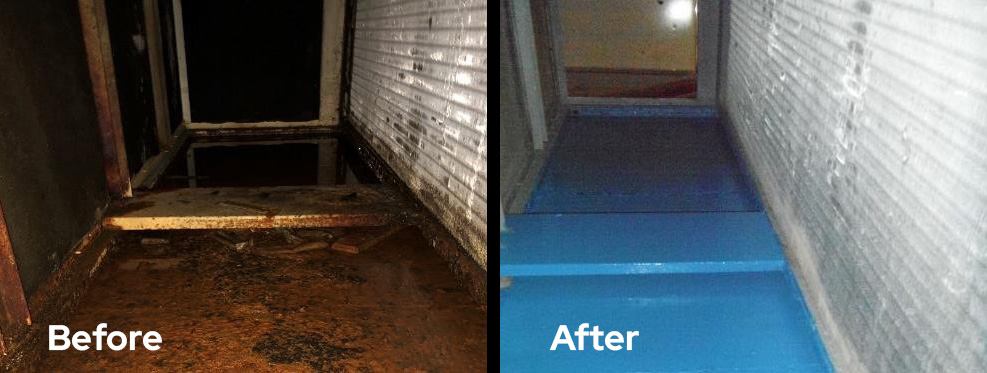
Establish an ongoing maintenance schedule to regularly inspect and clean HVAC coils. This proactive approach ensures the timely identification and resolution of potential obstructions before they significantly impact system performance.
2. Enhanced Air Filtration
Upgrade air filtration systems to capture and prevent airborne particles from reaching the HVAC coils, reducing the accumulation of contaminants and risk of obstruction.
3. System Assessments
Conduct periodic audits of the HVAC system to identify and rectify issues promptly. A comprehensive assessment can pinpoint inefficiencies, including obstructed coils, allowing for timely corrective measures.
Prioritizing the health and efficiency of HVAC systems in facilities is paramount to effective and safe building operations. By understanding the consequences of obstructed HVAC coils, facility managers and technicians can implement proactive measures to optimize system performance, curtail energy consumption and elevate overall building comfort.
WTI Pure Air can help find and solve issues with obstructed HVAC coils in your air handler units. Contact us today to get started with HVAC testing, cleaning and restoration.