7 Fatal Mistakes of Roof Restoration
Don't make these common mistakes when undergoing a commercial roof restoration project!

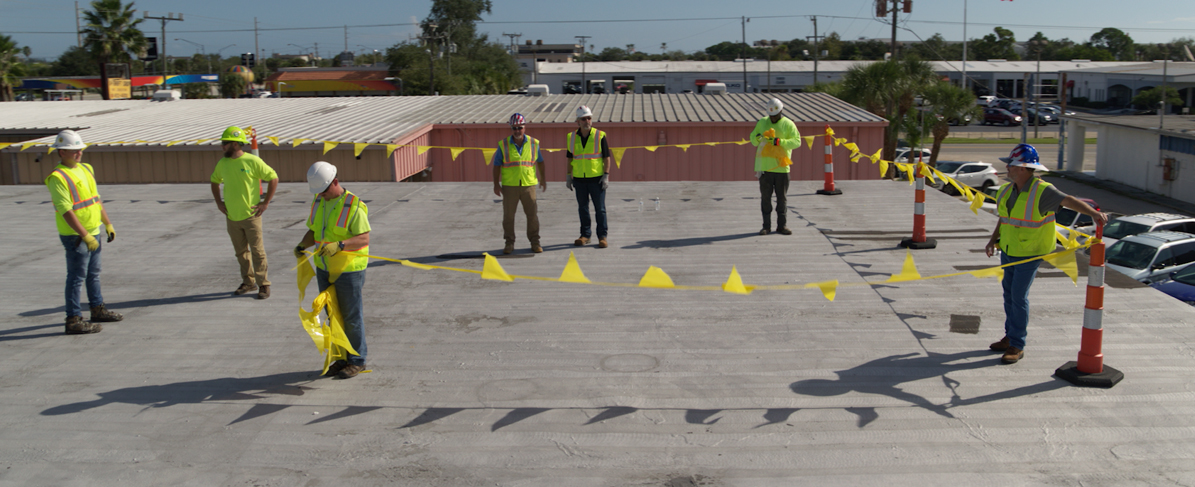
Don't make these common mistakes when undergoing a commercial roof restoration project!
Restoring commercial roofs is a big undertaking that can take a turn for the worse if you don’t know what to look for. To make sure you get the most out of your roof restoration, here are seven mistakes to avoid:
Documenting the true condition of your existing roof should always be your first step. Only then can you understand the full scope of work needed and potential remediation options. Gathering both visual and quantitative data through a moisture survey, infrared scanning or roof core analysis are the primary ways to evaluate if a roof requires minor roof repairs, a restoration or complete roof replacement.
It is important that owners and facility managers work with a trusted partner who will walk you through multiple options to meet your budget and building needs. Find an advocate who will educate you and help you write the specification that is in your best interest. Otherwise, it is easy to misinterpret roofing language, such as the differences between a roof “coating” and a roof “restoration system.”
Building owners are often misled by a low price with a long warranty, so it is important to fully understand the terms and conditions of your roof warranty. Read the fine print to understand your obligations and the warranty limitations. Of course, also verify the track record of the proposed building materials for added peace of mind.
When it comes to determining the value and ROI of your new roof solution and its warranty, make sure you have a clear understanding of the system’s compatibility and durability, installer’s quality assurance during application and preventative maintenance practices to prolong the life of your roof. Otherwise, a “good deal” may only be a temporary fix requiring more work and money in a few years.
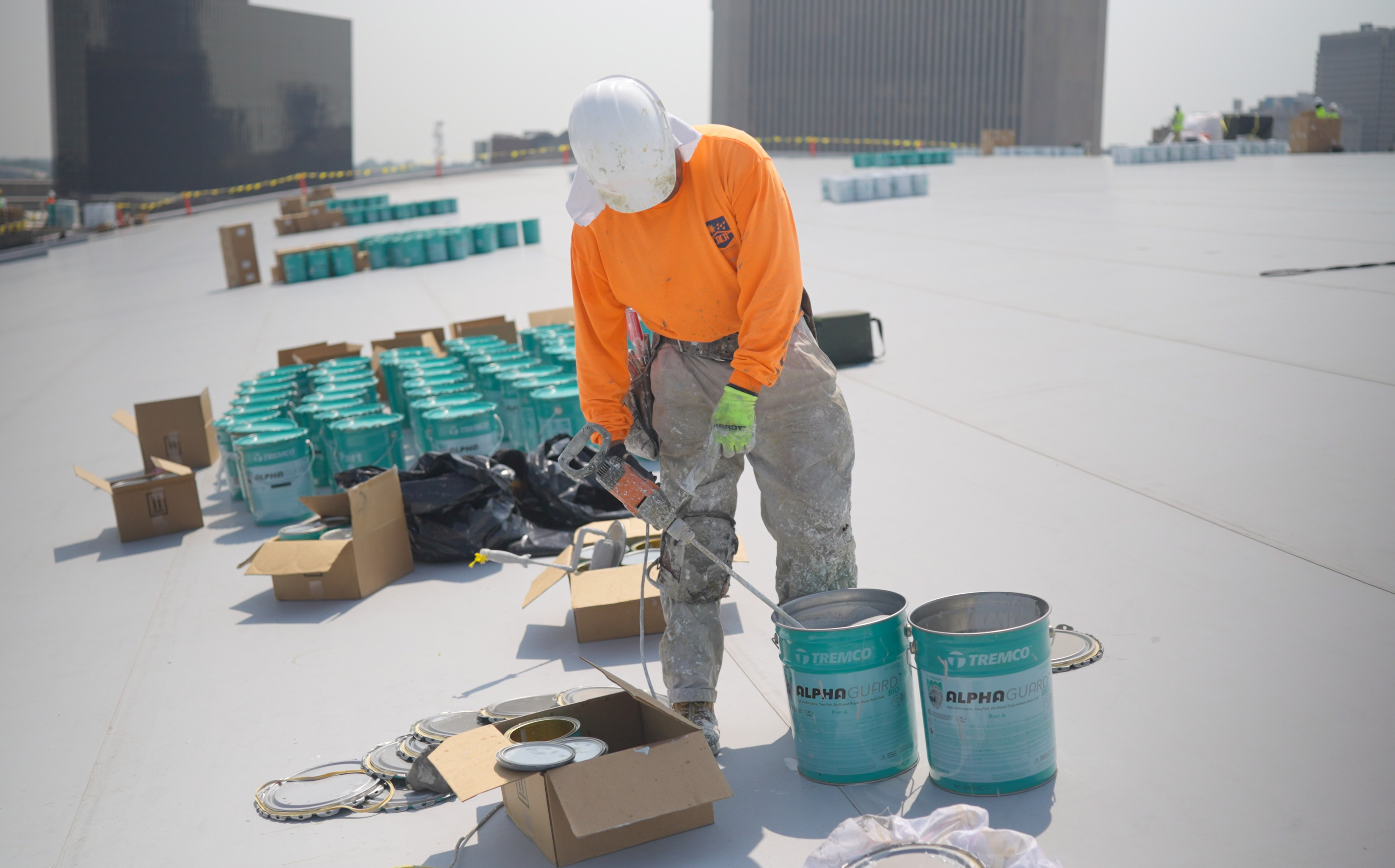 5. Cutting Corners on the Prep Work
The performance of any roof restoration or roof coating is dependent on the quality of the installation. Its effectiveness is compromised if the surface is not properly clean and ready for the system application. Ensure contractors take the necessary steps to address any existing leaks, wet insulation or other measures before beginning the coating work.
QA and QC processes should take place during a roof restoration with either a technical representative from the manufacturer or a registered roof observer present. Their role during the substrate preparation and roof system application is to make sure the surface is acceptable, the details are properly addressed and the materials are applied at the specified coverage rates. Proper installation is crucial to getting the most out of your roof warranty.
If the best practices from the roof audit to the subsequent restoration application have been followed, great! However, you still must ensure that your roof is part of an ongoing building maintenance plan. Roofs should be inspected several times a year and especially after extreme weather. Many manufacturers even offer their own maintenance plans to assist in this review and any minor repairs that may come up. Check out Tremco’s TremCare roof maintenance program to learn more.
Before, during and after a roof restoration, reliable, high-quality construction practices will impact the performance of the roofing system. The proper diagnostics, a detailed specification, a comprehensive warranty, quality assurance and a preventive maintenance program are all contributing factors to a successful roof restoration with long-term performance to maximize the life of your asset.
Many of our public entity customers choose to procure their roof restoration projects through one of the many cooperative contracts awarded to WTI by leading cooperative agencies across the U.S. and Canada. Because the agreements have already been competitively solicited and publicly awarded, public entities can save significant time and money by reducing the administrative burden of the contracting process.