Roofing and Storm Preparedness: Is Your Roof Ready for Hurricane Season?

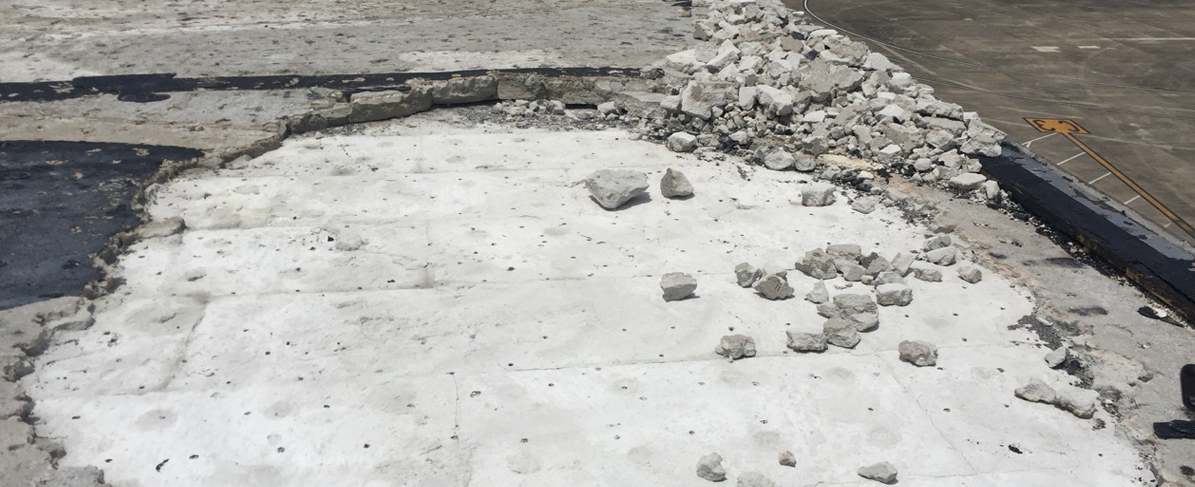
Roofs are often a building’s first line of defense in the face of natural disasters. As summer approaches, is your roof prepared to withstand the forces of incoming hurricanes or tropical storms? Post storm investigations show that roof failures are one of the leading causes of catastrophic building damage during hurricanes and tropical storms. If the roof fails, much of the rest of the structure, its equipment, inventory and operations are going down too.
However, it is never too late to prepare your roof for the high winds, rain and uplift forces of extreme weather. Here are four ways that commercial building owners and facility managers can proactively reinforce their roofs and manage risk during hurricane season.
Particularly on low slope roofs, the hundred mile hour winds from hurricanes and tropical storms don’t just push down on a roof, they create powerful uplift forces that concentrate at the edges, corners and penetrations of the system, where building material connections are most vulnerable. Fasteners can be pulled apart, sheet-applied roofing can delaminate and roofs can literally blow off, allowing for water infiltration and other damage to the internal structure. Clogged drains and scuppers can result in standing water, testing the limits of the structural integrity of the roof deck.
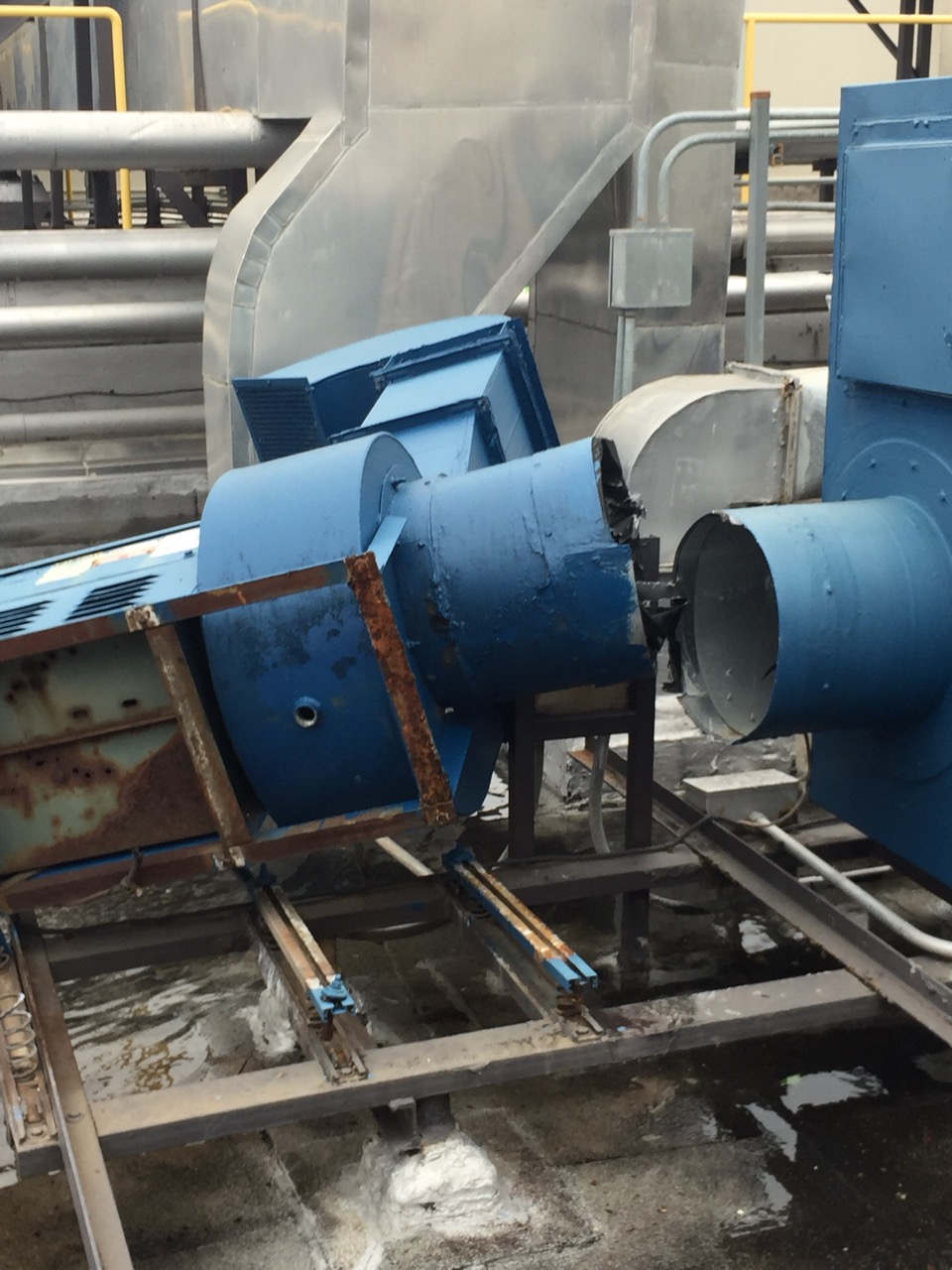
One of the biggest threats to commercial roofing from hurricanes is thankfully the most easily prevented. During a storm, unsecured equipment, tools and building materials on a rooftop can quickly turn into projectiles that can fall off the roof and risk not only the structure and adjacent buildings, but also precious lives.
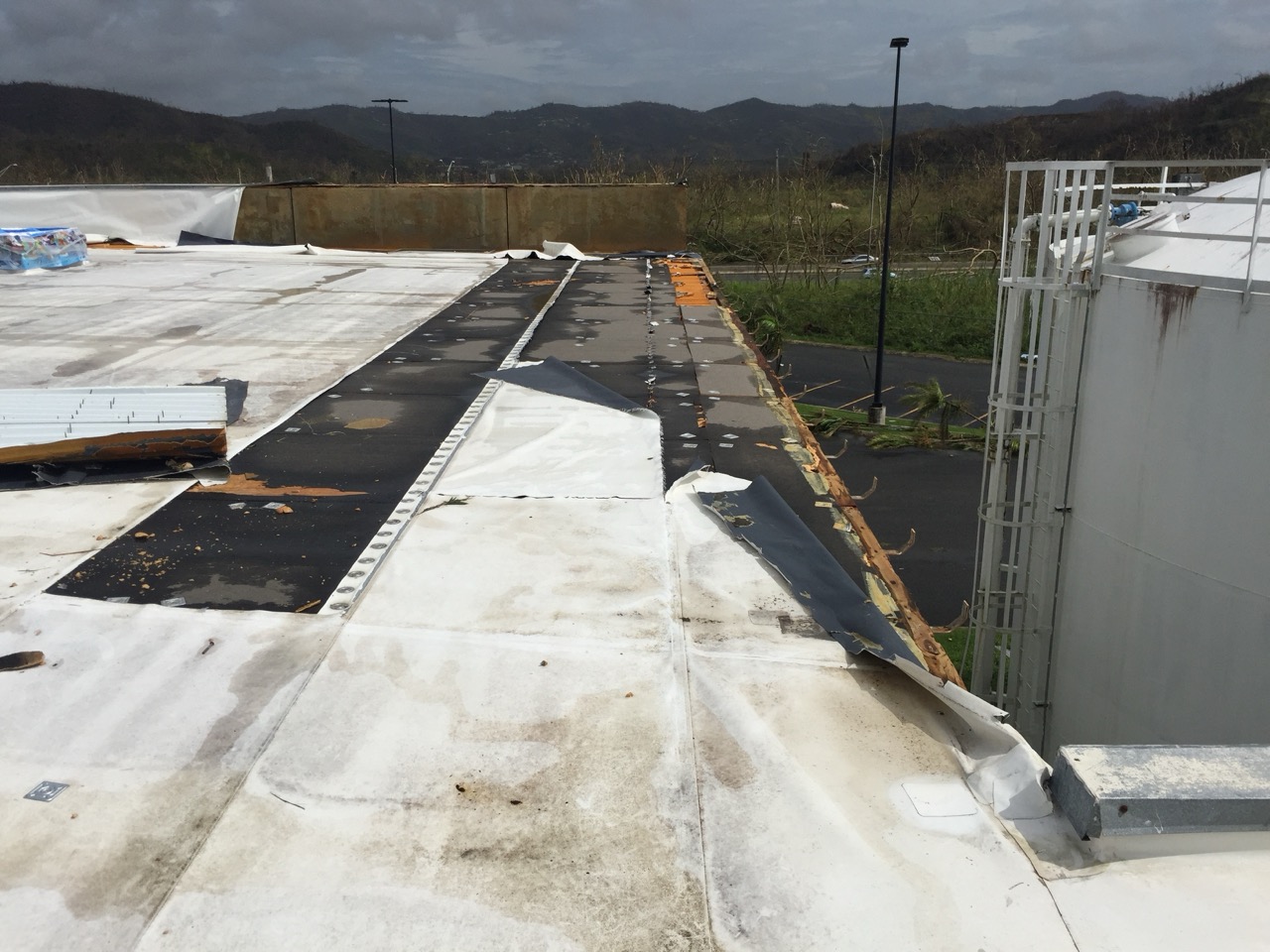
During new construction in hurricane-prone areas, there are an abundance of tests, codes and building standards that advise on the necessary design tactics for structural resiliency in the face of these storms. The FORTIFIED Commercial™ standard, for example, seeks to “minimize the risk of storm damage allowing businesses to quickly re-open following hurricanes, tornadoes and other severe weather.”
Older existing buildings, however, may not be compliant with modern codes and therefore are less protected from the pressures of a hurricane. If there is any fear that the structure’s current systems are not sufficient to withstand these forces, an entire building review can be helpful in identifying the key upgrades and renovations required to prepare it for the next big storm.
Even when that’s not possible, there are several strategies that can go a long way in protecting your property and human lives from hurricane damage.
The first step is to know the current condition of your roof by conducting a roof walk and taking photographs. This documentation is critical in protecting properties in case of later insurance claims.
Here are some of the specific roof items to inspect before a storm:
Addressing these items in advance can significantly reduce the likelihood of blow offs, leaks and emergency repairs during or after a hurricane.
For a more thorough investigation, Tremco offers infrared moisture analysis and wind uplift testing to determine roof conditions (some invisible to the naked eye) and recommend appropriate solutions. The infrared roof test evaluates the temperature of the insulation across the roof which corresponds to any damp or wet insulation, indicative of water ingress. From there, the source of the leak can be found and repaired.
 The roof wind uplift test measures the roof’s capacity to withstand upward forces from high winds. Possible remediation includes refastening or adding fasteners to increase uplift resistance, structural reinforcement of the metal deck or even a roof retrofit or replacement.
Tremco’s wind calculator follows the ANSI/SPRI/FM4435/ES-1 standard found in the International Building Code and measures the securement pressures of a fascia or coping edge system for low slope roofing.
Objects on a roof can quickly become a deadly flying object if blown from the roof in a hurricane. These items need to be secured or taken inside to avoid this hazardous condition. Some common items to check for include:
During a storm, substantial debris can collect on a roof from nearby trees and buildings. If drains or scuppers are already clogged or full, the water from the hurricane can fill up and add substantial weight to the roof. If not accounted for in the initial engineering, the roof can collapse from this weight. Be sure to clean out any and all drainage areas and prepare an emergency overflow protection to help alleviate this risk.
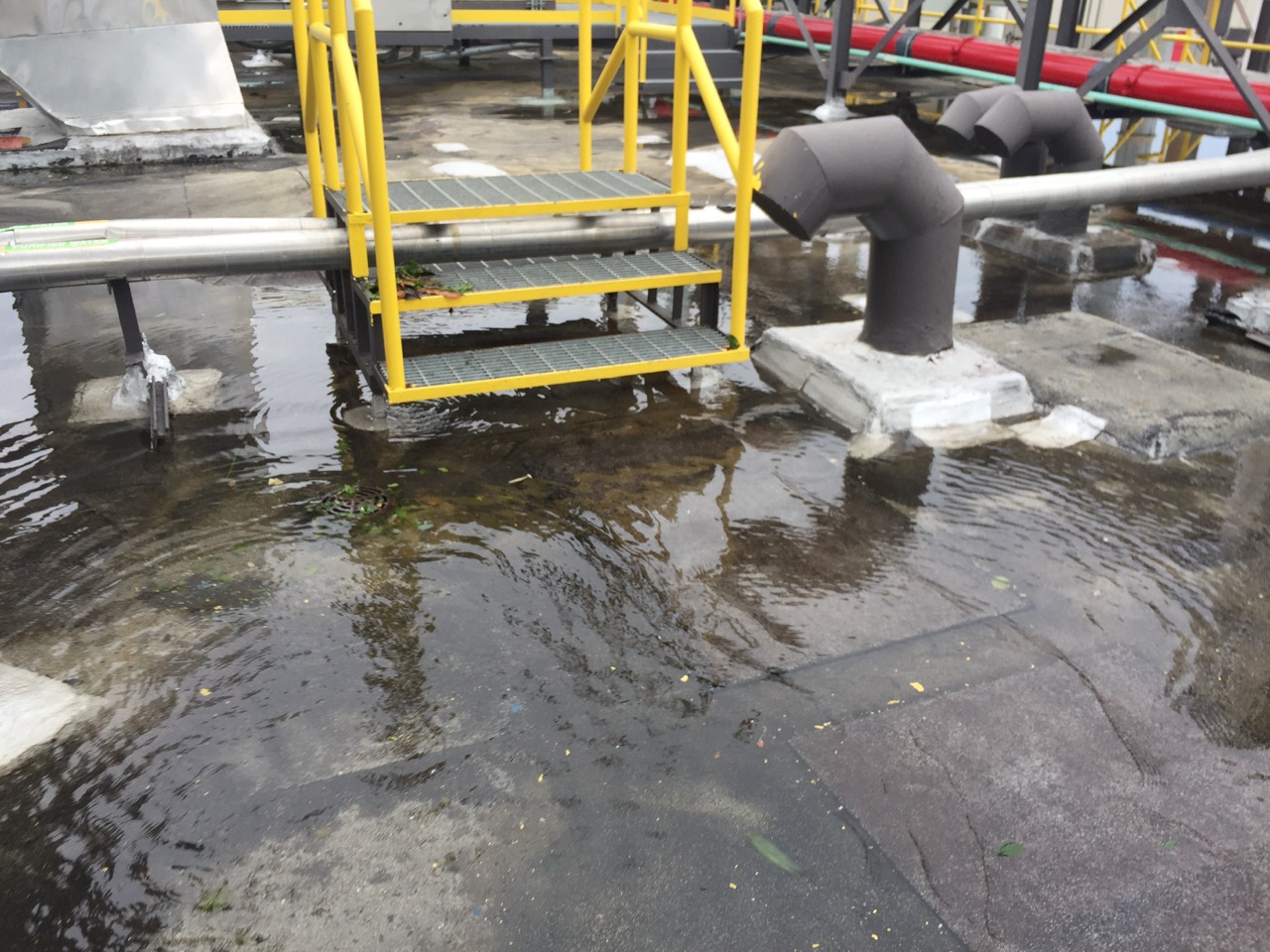 After the storm passes and it is safe to do so, it is important to return to the roof and reevaluate its condition. Take photos to assist any insurance claims.
If there are areas of concern, contact your local Tremco representative.
In many areas of the world, it is not a matter of IF a hurricane will strike, but when and how severe. Managing this risk is critical for communities and businesses to both survive and thrive in these high hazard areas.
According to the National Institute of Building Sciences (NIBS), investments in hazard mitigation, even simply by enforcing current building codes, can deliver $10–$11 in avoided losses for every $1 invested.
FEMA also reports that wind mitigation measures alone provide an average 5:1 benefit-cost ratio (BCR), largely by reducing property damage, insurance fees, business interruption and loss of lives.
In short, preparing for hurricanes is the best way to safeguard your facility. By proactively inspecting your roof, conducting professional testing, securing loose rooftop items and clearing drains, you minimize the risk of severe weather damage. Do not wait for a storm warning to start.
Take action today to fortify your roof, protect your property and keep your people safe. Schedule a free comprehensive roof evaluation to ensure you are ready for this season’s storms.