How to Create a Safety Culture in the Roofing Industry
Discover how roofing companies can transform their approach to safety with highly engaged health and safety programs.

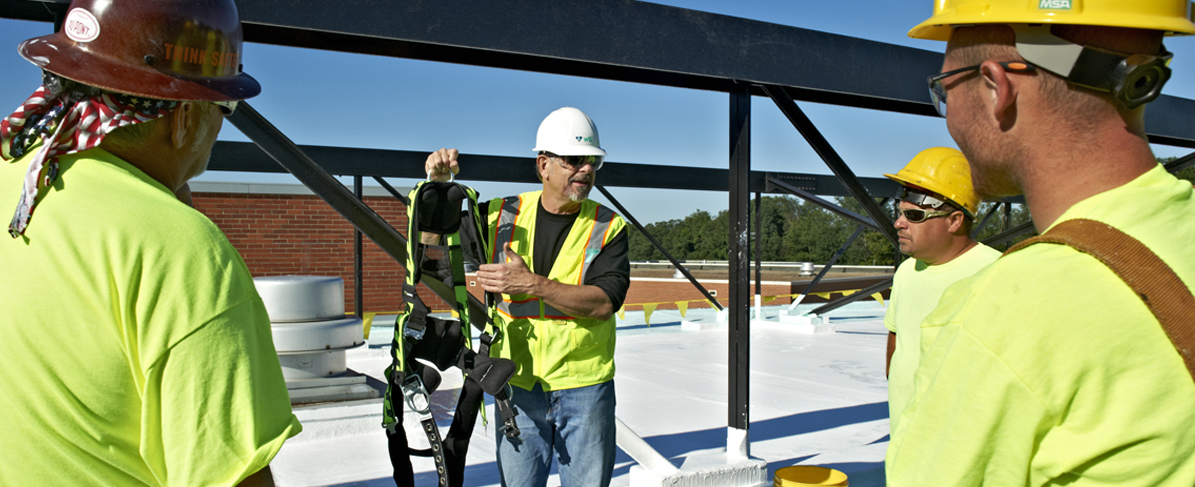
Discover how roofing companies can transform their approach to safety with highly engaged health and safety programs.
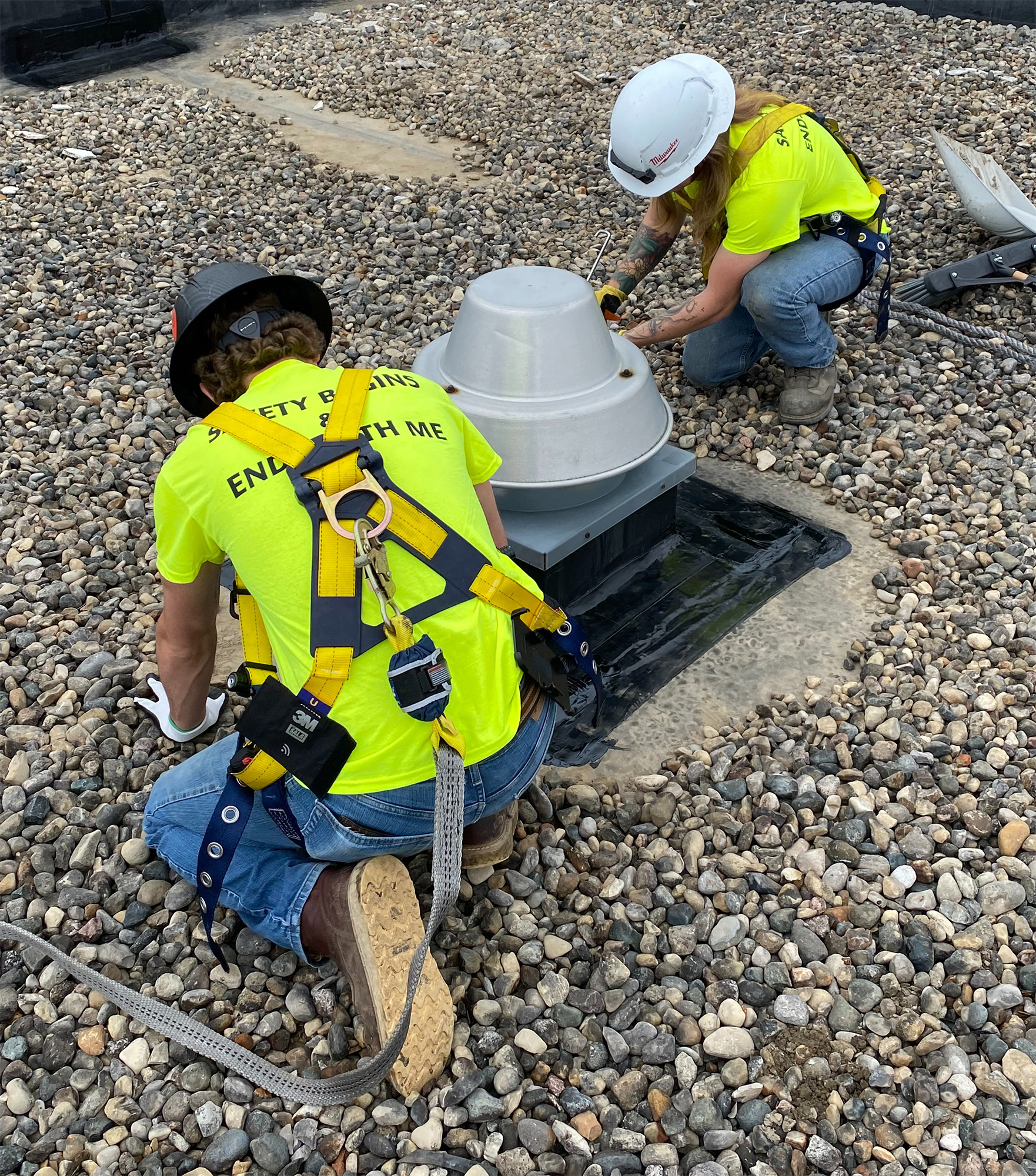 In the construction industry, safety isn't just a box to check off at the beginning of a job. Risk mitigation is the foundation of a successful and responsible business that values the lives of its employees. However, falls remain the leading cause of serious injury and death in the roofing industry, making robust fall protection and a deeply ingrained safety culture non-negotiable.
Building this culture, however, requires more than just providing PPE or once a year initiatives; it demands a comprehensive, year-round and top-down commitment that empowers every team member.
In a podcast episode with Roofers Coffee Shop, Ro Lewis, the executive director of the Health Safety and Environmental Team for Tremco CPG’s Field Services department, shares his insights into how roofing companies can transform their approach to safety to protect their workers and strengthen their organizations.
In roofing, employees are expected to work at heights, climb ladders and expose themselves to hazards on a regular basis. Negativity around safety policing and subsequent fines can make employees jaded or skeptical about the protocols put in place by the Occupational Safety and Health Administration (OSHA). However, the data shows that workers who are elevated only six feet or more are at risk for serious injury or death should they fall.
While no one comes to work intentionally acting carelessly, the pressures are real as team members may feel obligated to rush or cut corners to hit certain benchmarks or timeframes. Therefore, a successful safety culture must have buy-in at the highest leadership to carry the messaging down that the main goal is workplace safety.
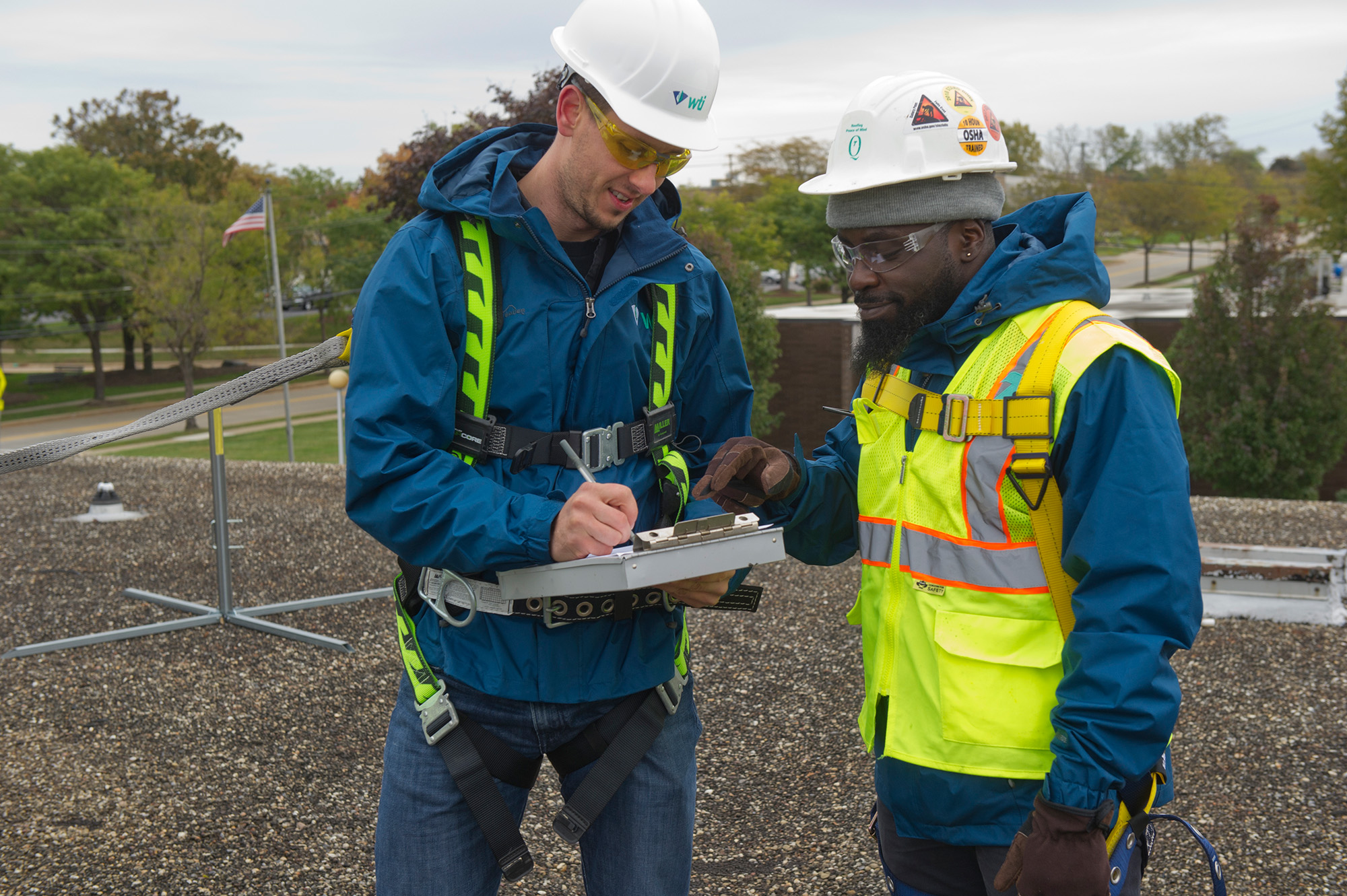 When executives and managers at all levels champion safety, it sends a powerful message that worker well-being is a core company value, not just a line item. Tremco’s mantra is “Lead with Safety”, which is a top-down approach that is reinforced regularly. It reminds workers on the job site and on the manufacturing floor that their employer genuinely cares about them as people. Lewis says that Tremco views their most significant asset as their “phenomenal workforce.”
So even with tight timelines and production quotas, there is a repetitive message and honest, two-way conversations centered around how to operate safely. It conveys, both directly and indirectly, that the company’s top priority is that workers make it home safely to their families at the end of the workday.
Leaders should actively articulate their commitment to safety so that it is top of mind, whether in virtual meetings, on job sites or through company-wide communications. This visible support starts to build an environment where safety is not perceived as a controlling activity but as a shared responsibility. For a safety culture to thrive, it must also listen to those on the front lines, empower everyone to speak up and give them a sense of ownership over their safety and that of their colleagues.
One of the most effective ways to embed safety into daily operations is to empower every worker with stop-work authority. This principle gives any employee, regardless of their role or seniority, the right and responsibility to halt any activity they believe is unsafe, without fear of punishment.
The workers on the roof are often the first to spot a potential hazard, but employees may hesitate to challenge a supervisor and may question their own judgement. However, consistent reinforcement from leadership can build the necessary trust and courage across the entire team. It recognizes that sometimes doing the hard thing is the right thing for everyone’s protection, and everyone is equally responsible for safety and equally successful when safe practices are followed.
Beyond the cultural component, other practical measures are essential for a successful safety initiative.
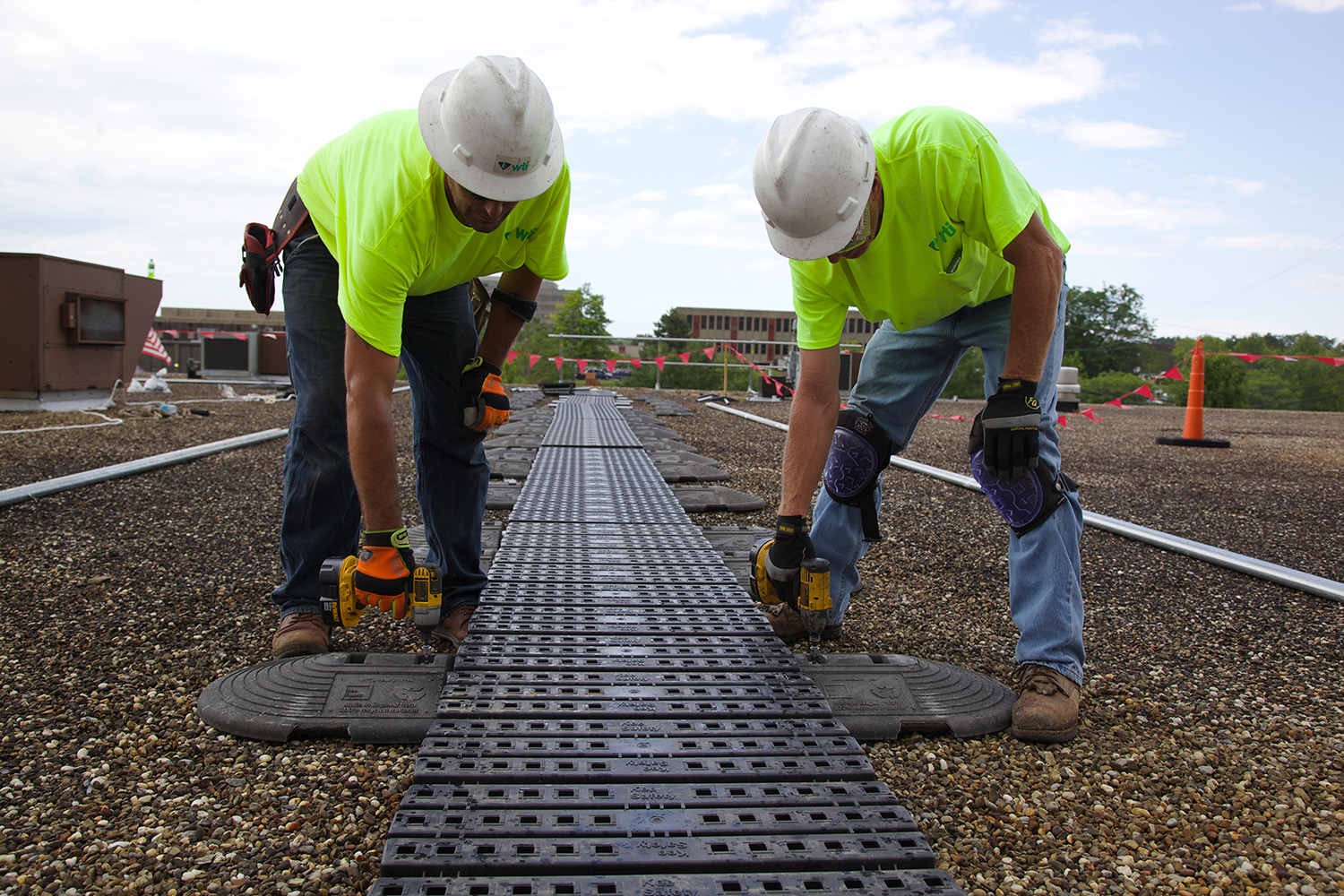
Best practices for roof safety and fall protection include using proper equipment, training crews thoroughly, supporting mental health and empowering workers to speak up when conditions are unsafe. The following steps show how to put those principles into practice on the job site.
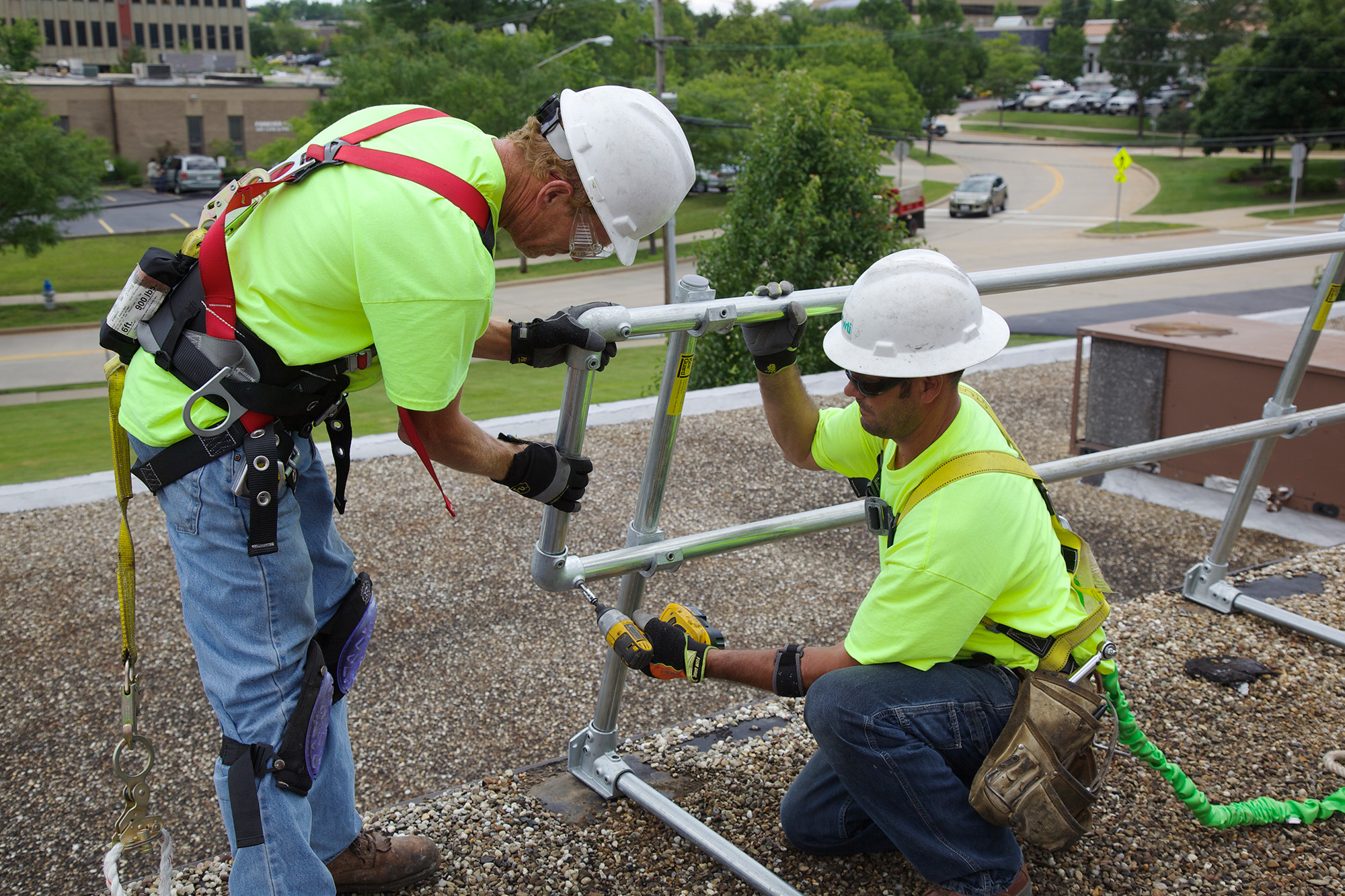 Safe Equipment
 All of these safety endeavors take time and an ongoing financial investment. Be patient and know that the work is never finished. It takes diligent, repeated effort to make an impact. In his 11 years at Tremco, Lewis has seen “the progression of the safety culture here permeating into the fabric of our corporate structure,” and there is still work to be done.
For those just beginning their safety initiatives, start at the top and speak their language. No one wants to be part of a news headline for a job site fatality. By being proactive instead of reactive, your advocacy can literally save lives. OSHA has additional resources and best practices to help implement health and safety programs.
Eventually, as safety becomes part of the company's DNA, it influences every decision and every employee, because as Lewis explained, a safe work environment “impacts them, it impacts their families, it impacts our organization and the communities in which we work.”
Take a listen to the original Roofers Coffee Shop podcast episode here.