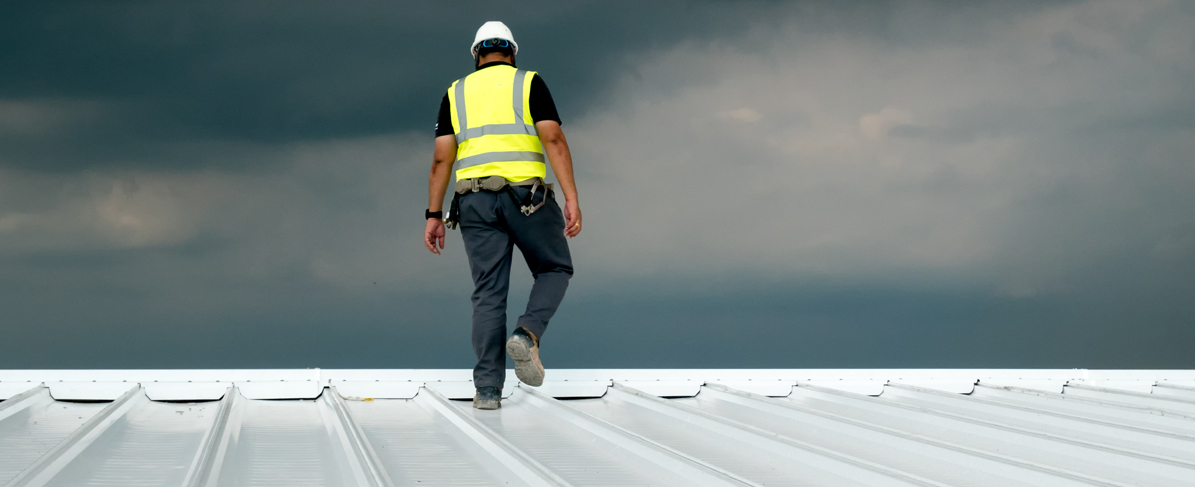
Your roof represents one of the largest investments in your building portfolio. Yet too often, it only receives attention after a leak appears above a tenant's desk or water stains the ceiling of a busy corridor. By then, the small problem you could have fixed for a modest sum has grown into an expensive emergency. A proactive maintenance program changes that equation entirely, protecting both your budget and your building.
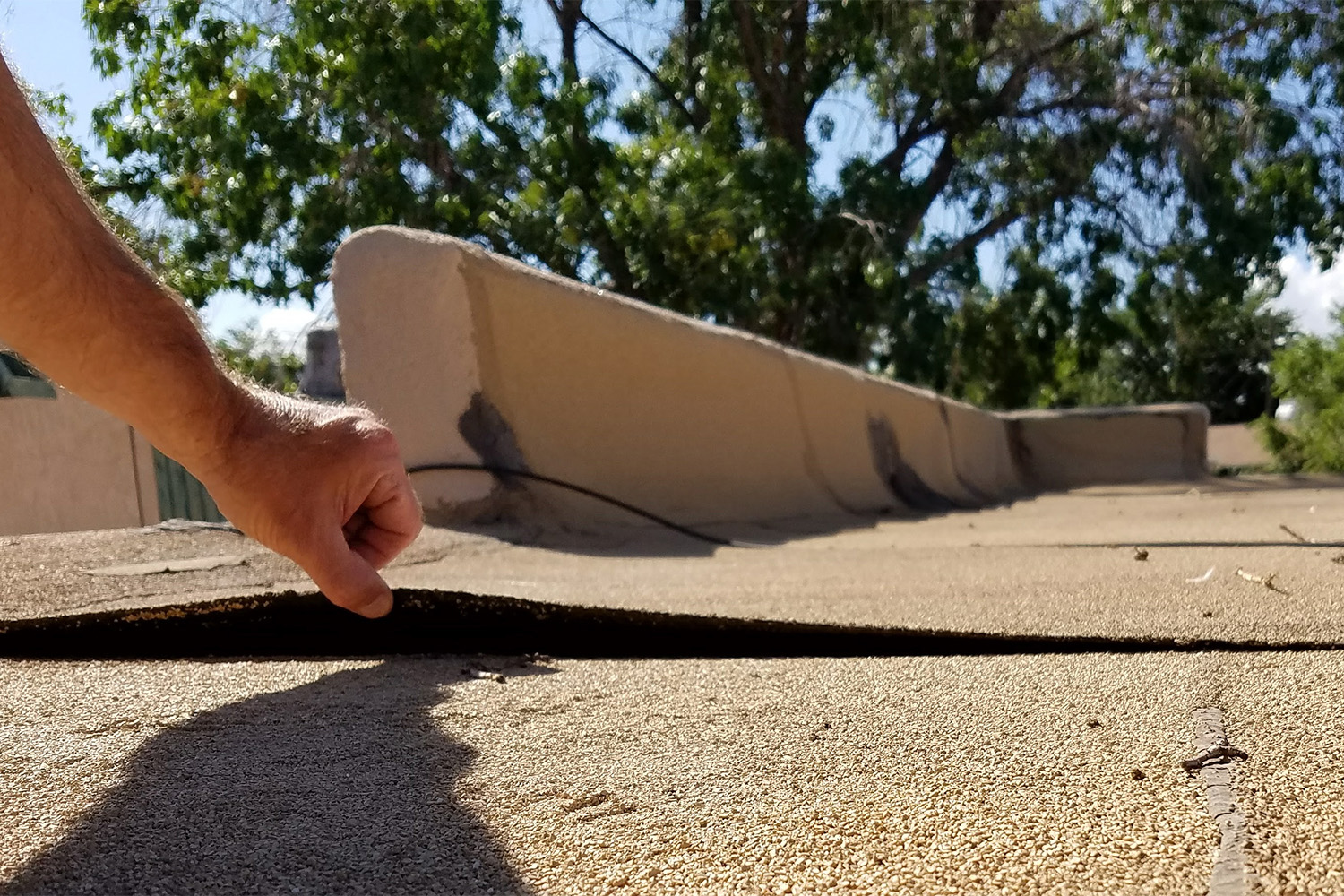 If left unchecked, minor roofing issues can escalate to bigger challenges impacting the entire building envelope. A pinhole leak, a clogged drain or a lifted roof seam can quietly cause structural damage and mold growth, necessitating interior and exterior repairs that far surpass the severity and cost of the original problem. Emergency repairs also carry premium costs, disrupt occupants and strain your annual budget in ways you likely didn’t plan for.
But every roof is different, so how can a condition-based maintenance approach be implemented for roofing?
TremCare®, Tremco's holistic roof maintenance program, exists to protect low-slope commercial roofs of all types on an individualized basis. Through regularly scheduled inspections, housekeeping and preventive maintenance, WTI/WTC trained roofing technicians review the conditions of each roof on a case-by-case basis to uncover problems early and take corrective action before they worsen. In the process, catching a defect during a routine roof inspection costs a fraction of what you would pay after water finds its way inside the building.
TremCare offers three tiers, so you can match coverage to your goals and your budget. Each level delivers the same core benefit: fewer surprises, longer roof life and predictable maintenance spending you can plan around.
When a roof does approach the end of its service life, a full roof replacement is not your only option. Restoration often delivers comparable performance at a much lower cost with less, if any, disturbances to the occupants. As Josh Poole, Director of Product Solutions for Tremco CPG, explained in this Roofers Coffee Shop podcast, restoration is "the process of extending the service life of an existing roof. And generally, that's going to feature a roof coating or some type of a liquid-applied roofing product."
In most cases, a roof restoration can be completed over the existing roof, eliminating the need to tear off the current roof materials. For a facility running 24/7, like a medical, university, apartment or emergency response building, that reduced disruption keeps tenants satisfied and operations uninterrupted.
Restoration also carries clear sustainability benefits, including less landfill waste from discarded materials, which supports the environmental goals many building owners prioritize. Proactive maintenance identifies these restoration opportunities early before a full roof tear off and replacement is necessary, thereby reducing lifecycle emissions of roofs due to the decreased need for heavy machinery and excess building materials.
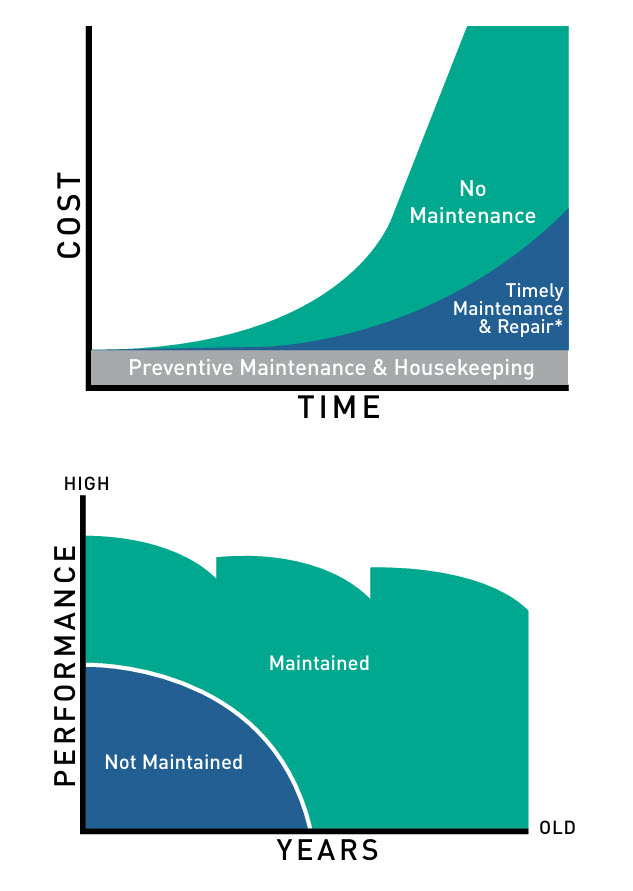
Predictive analytics can go a long way in supporting the case for roof maintenance planning. Numbers make the strongest argument, which is why Tremco offers the High Performance Building Solutions (HPBS) TremCare Financial Analysis to clarify project-specific cost savings. This lifecycle analysis compares two paths side by side: a restoration solution paired with a TremCare program versus a standard roof replacement. Rather than looking only at upfront price, it measures the true cost of ownership over time. Explore other beneficial energy and financial analyses for your building assets.
The analysis accounts for total project savings compared against lifecycle cost, which includes future positive and negative cash flows using net present value calculations, timelines for future replacements and restorations and the impact of interest and inflation rates on your roofing spend.
The result is a clear, apples-to-apples comparison that helps owners and facility managers make an informed decision backed by data, not guesswork. In most cases, the combination of restoration and ongoing maintenance proves the more economical choice over the life of the roof.
So, we’ve discussed regular ongoing roof care, but what are the maintenance priorities after severe weather events? First, it’s important to note that routine roof maintenance will help protect your building before extreme weather even hits. Read this blog to see if your roof is prepared for hurricane season.
After a big storm though, it is equally critical to inspect your roof for any damage that may have occurred from falling tree branches, flying debris, etc. When it is safe to do so, facility management staff should walk the roof for any obvious concerns, such as punctures or tears in the roof membranes, displaced aggregate or clogged drains, gutters and downspouts. Note that poor drainage can lead to ponding water and other damage that may not be covered under your Tremco Roofing warranty.
If you uncover any issues or have questions, contact your TremCare representative as soon as possible to help identify timely solutions before the possible roof defects get worse.
The Owner’s Guide to Managing and Maintaining Your Roof
A roof that receives consistent, expert care lasts longer, performs better and costs less to own. That is the lasting value of a TremCare maintenance program.
Ready to see what a program tailored to your facility could save you? Contact a local Tremco representative to discuss the right solution for your roofs.